Kitchen According to Vastu: Directions, Colours, and Layout Rules
August 19, 2026 in Property GuideAllHome and Lifestyle
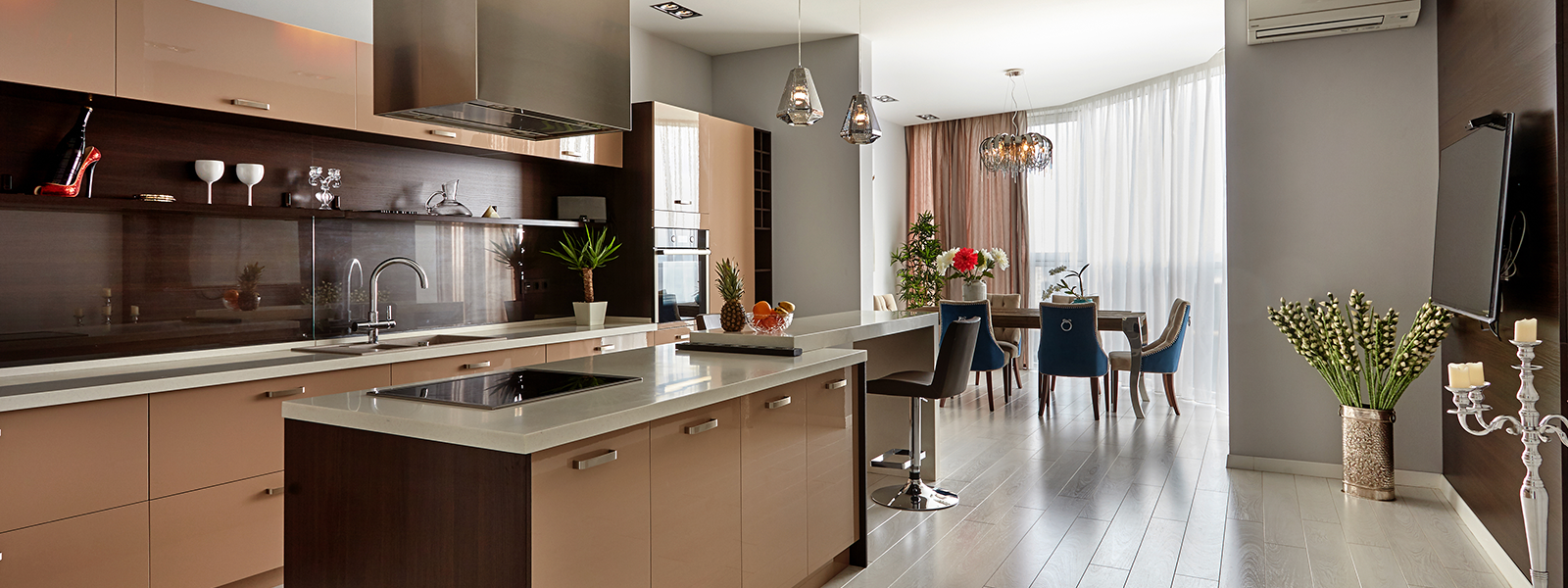
The kitchen is one of the most active spaces in a home, bringing together cooking, storage, movement, and everyday family routines. Its layout can influence how comfortably people work, move, and interact within the space. In Vastu Shastra, the kitchen is also associated with the fire element, making its position and internal arrangement particularly significant.
Planning a kitchen according to Vastu involves considering its direction, cooking position, colours, appliances, water sources, and storage areas. These principles can also be adapted to contemporary apartments without compromising functionality or visual appeal.
Let’s look at the basic guidelines that can help homeowners create a kitchen that feels organised, practical, and balanced.
7 Important Kitchen Vastu Rules for a Balanced Layout
Following kitchen Vastu principles becomes easier when individual elements are planned together rather than treated separately. Here are seven areas worth considering while designing or reviewing your kitchen.
- Position the Cooking Hob Carefully
The stove or cooking hob represents the fire element and therefore receives considerable attention in Vastu planning. Traditionally, it is preferable to place the hob in the south-east section of the kitchen.
The person cooking may ideally face east while preparing meals. This arrangement can also work well in many modern kitchens when counter positions and ventilation are planned accordingly.
For compact kitchens, homeowners can prioritise safe working clearance and then align the hob as closely as possible with preferred Vastu principles.
- Keep Water and Fire Elements Apart
Kitchen sinks, water purifiers, and other water-related fixtures are generally associated with the water element. These may be positioned towards the north or north-east side where the layout permits.
Keeping the sink away from the cooking hob also provides practical benefits. Separate preparation zones can reduce clutter and make everyday cooking more comfortable.
When evaluating the kitchen location as per Vastu, plumbing access should therefore be considered alongside directional guidelines to achieve a workable arrangement.
- Choose Suitable Colours for the Kitchen
Colour has a noticeable effect on the appearance and atmosphere of a kitchen. Vastu-inspired interiors commonly favour warm, light, and natural shades that complement the space.
Soft yellow, cream, beige, light brown, peach, and muted green can work across walls, cabinets, backsplashes, and furnishings. Homeowners may select combinations that suit the broader interior theme.
Rather than applying one colour throughout, use balanced shades across surfaces. This can make the room feel brighter while adding visual distinction between cooking and storage areas.
- Plan the Refrigerator and Appliances Thoughtfully
Large appliances require careful positioning because they influence movement and usable counter space. Refrigerators are commonly placed towards the south-west, west, or north-west areas where possible.
Smaller appliances such as microwaves, ovens, mixers, and kettles can be organised around the main cooking zone. The exact arrangement should support an efficient sequence between storage, preparation, cooking, and cleaning.
A practical kitchen vastu direction plan therefore considers everyday accessibility alongside traditional guidance instead of focusing solely on individual appliances.
- Use the Right Areas for Kitchen Storage
Storage plays an important role in maintaining a neat and efficient kitchen. Heavier cabinets and storage units are generally suited to southern and western walls.
Frequently used ingredients, cookware, and utensils should remain easily accessible around the work area. Less frequently used items can occupy higher cabinets or deeper storage sections.
An organised storage plan also helps maintain open counters. This makes the kitchen easier to use and creates a visually calmer environment throughout the day.
- Prioritise Light and Ventilation
Natural light and ventilation contribute significantly to kitchen comfort. Windows towards the east or north can allow daylight into the space, depending on the home layout.
An exhaust fan or chimney above the cooking area can help manage heat, vapour, and cooking aromas. Proper ventilation is especially useful in apartment kitchens connected to dining or living spaces.
For homebuyers exploring larger layouts, for example, 3 or 4 BHK flats in Ahmedabad, evaluating kitchen windows and ventilation can be just as important as reviewing room sizes and amenities.
- Maintain a Comfortable and Open Layout
Vastu principles can guide kitchen planning, but the final arrangement should allow comfortable movement. The distance between counters, appliances, doors, and storage should support daily routines.
An L-shaped, U-shaped, parallel, or open kitchen can all be planned thoughtfully depending on available space. The preferred format depends on household requirements and the overall floor plan.
While considering kitchen placement as per Vastu, homeowners should also ensure that circulation routes remain clear and essential work zones are conveniently connected.
Create a Kitchen That Balances Tradition and Everyday Comfort
A thoughtfully planned kitchen should support efficient cooking, comfortable movement, easy storage, and a pleasant atmosphere. Vastu principles provide an additional framework for homeowners who value traditional approaches while planning their interiors.
When designing kitchen direction as per Vastu, consider the room as a complete working environment rather than focusing on one direction alone. Cooking placement, water fixtures, appliances, colours, natural light, and storage should work comfortably together.
At Adani Realty, thoughtfully designed residences focus on creating functional living spaces that can support contemporary lifestyles and individual interior preferences.
By combining practical planning with Vastu-inspired choices, homeowners can shape a welcoming kitchen that feels balanced, organised, and suited to everyday family life.
Frequently Asked Questions (FAQs)
1. Which direction is best for a kitchen according to Vastu?
Ans: The south-east direction is traditionally preferred for kitchens, as it is associated with the fire element in Vastu Shastra.
2. Which direction should you face while cooking as per Vastu?
Ans: Facing east while cooking is generally considered preferable in Vastu, especially when the cooking hob is placed in the south-east zone.
3. Which colours are considered suitable for a Vastu-compliant kitchen?
Ans: Light and warm shades such as cream, beige, soft yellow, peach, light brown, and muted green are commonly recommended for kitchens.
4. Where should the sink and stove be placed in a kitchen as per Vastu?
Ans: The stove is generally placed in the south-east, while the sink is commonly positioned toward the north or north-east where feasible.
5. Can Vastu principles be followed in a modern apartment kitchen?
Ans: Yes. Homeowners can adapt Vastu guidelines to apartment kitchens by balancing preferred directions with available space, ventilation, storage, and practical movement.


Properties in Ahmedabad
Adani Realty offers premium residential and commercial spaces in Ahmedabad-India's vibrant economic hub. From stylish apartments and luxurious villas to retail shops, commercial spaces, offices, corporate houses, and specialised project for healthcare professionals, our properties combine modern architecture, prime locations, and world-class amenities.

Looking for dream spaces, not sure where to start?
Leave us a query and our representative will get back to you.
Disclaimer
The Adani Realty expressly disclaims all liability in respect to actions taken or not taken based on any or all the contents of this Blog. The content of this blog is collation of data from various sources and is provided only for information purpose only and Adani Realty does not canvass the particulars, information, brand or any other materials mentioned in the blogs nor does it obtain any monetary benefit from the same.The Adani Realty shall in no circumstance be held liable for any expense, loss or damage including, without limitation, direct, indirect or consequential loss or damage, or any other expense, loss or damage whatsoever arising from the use of data, information, interpretation, judgement or opinion arising out of or in connection with the use of this Blog. Reader is advised to read and apply his/ her intellect and discretion in this regards.